Every year, as soon as spring starts to peek around the corner, avid gardeners plant their fragile seedlings and envision the harvest they will enjoy a couple of months later. There is usually a selection of household vegetables, some colourful flowers and some herbs. Almost always, among the latter, we find a planting of mint. Growing rapidly in moderate climates, many a nurseryman has been frustrated by seeing it steadily take over the rest of the garden. But can we really have too much of a good thing? In terms of mint, we think not.
First and foremost, the mentha family is credited with some restorative powers that we might do well to utilise. In ancient Greek mythology, Athenians rubbed the leaves onto their skin for their healing properties and invigorating scent. Knights in shining armour used a concoction often containing the peppery herb to maintain their pearly whites (possibly the origin of Colgate?), and by the 17th century the resilient plant with its spear-shaped, slightly fuzzy leaves was recommended as a treatment for hiccoughs, flatulence and indigestion.
Healing properties aside, most of us know and love mint purely for its fresh taste, and we include it wherever possible in drinks, desserts and salads. Using the smallest, newest leaves on the bush will give you the strongest flavour, and gently crushing them before use will release the aromas. Torn or cut chiffonade-style, the leaves can be tossed through a summer salad or sprinkled lightly over hot, buttered potatoes.
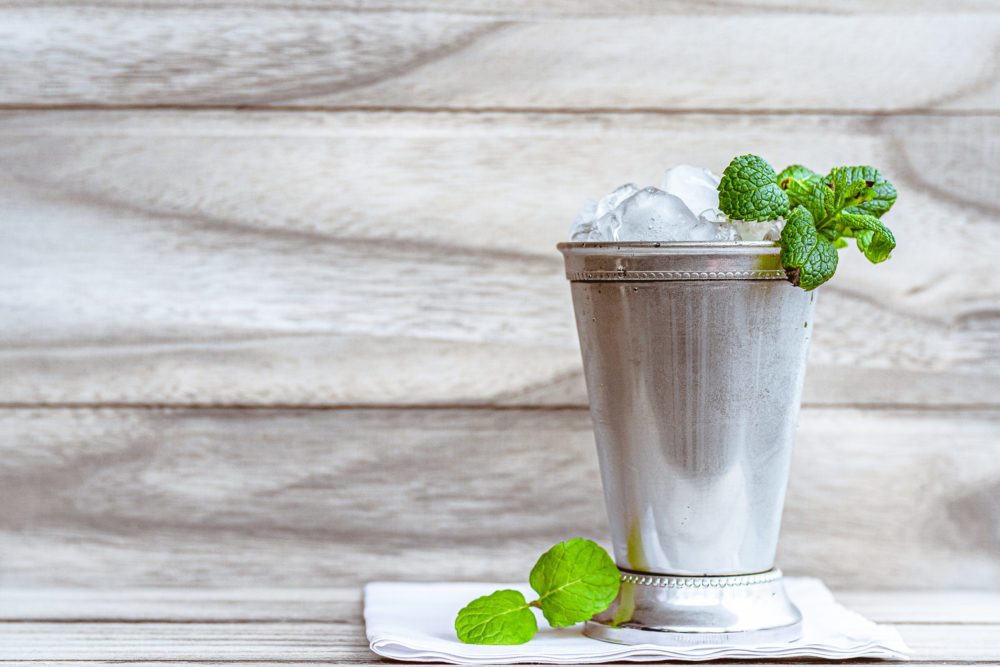
On the drinks scene, Starbucks’ peppermint mochas are second to none, while cramming a teapot full of freshly picked leaves and immersing in boiling water will give you the freshest peppermint tea you’re likely to drink. And of course, we cannot overlook the distinguished mint julep – they say no Kentucky Derby is quite complete without the revitalising mixture of Kentucky bourbon, mint, sugar and ice.
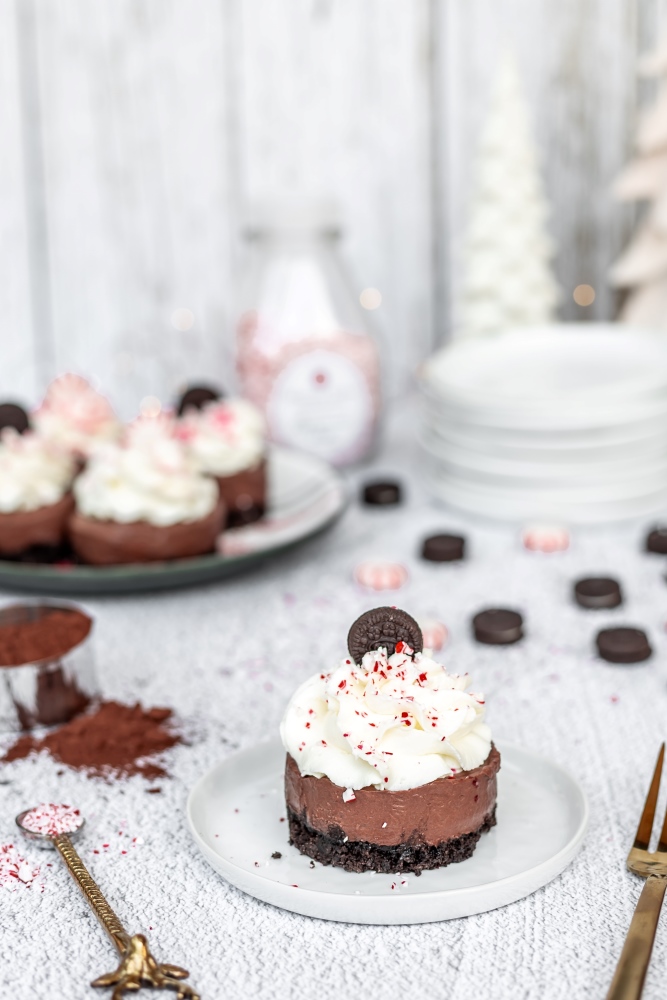
The cooling, clean flavour of mint also pairs perfectly with rich chocolate and coffee, and after-dinner mints remain a classic way to cleanse the palate after a lavish meal. When featuring on the dessert menu, it is often combined with fruit in a refreshing sorbet, and many ice-cream lovers are secretly thankful for the invention of mint chocolate chip ice cream.
And then, of course, we have sweets, often referred to simply as ‘mints’. In the 1780s, Callard and Bowser created Altoids – ‘The Original Celebrated Curiously Strong Mints’. The concept has never looked back, and now in one form or another, they are a pre-requisite for every handbag, glove box, pocket, desk drawer or meeting room table.
It’s hard to imagine a world without mint, and indeed, why should we?
After all, you can’t have too much of a good thing, not in your herb garden or anywhere.