
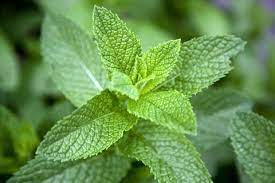
Picture a beautiful lamb dinner, with spectacular dark brown gravy, crispy potatoes, fresh spring peas; but no mint sauce?? Surely not! What about that tall glass of frosty and refreshing julep, without the addition of mint leaves? Couldn’t possibly be! It is simply unbearable to imagine our world without the revitalising flavour of mint; and fortunately for us, it’s not necessary. In every way, mint brings us the very definition of fresh.
Mint is a beloved herb with a unique aroma and a colourful history, tracing its story back many centuries. In Ancient Greece, it was used to flavour cordials and fruit compotes. The Romans used it to perfume their famous bath houses, and the Hebrews liked to scatter mint leaves on their synagogue floors as a way to freshen the atmosphere. In every era of the past, mint was enjoyed for its fresh scent and taste. By the 1700s, it was discovered that mint freshened the breath, and also improved the digestion; no small feat in a time when meals mainly consisted of meat, bread, and the ever-present tankard of ale.
Today you can find mint anywhere, from toothpaste to ice cream, tea to pets’ breath fresheners, after-dinner mints to mint sauce. Due to its anti-bacterial qualities, mint can even be used for acne treatment or a sanitising, all-purpose cleaner.
With this increased popularity of mint, it’s fortunate that the mint plant is among the easiest of herbs to cultivate. Even those of us who have not been blessed with a green thumb, can find success in the planting of a couple of roots of mint. But beware! A healthy mint plant puts out runners that will take root wherever they touch the soil. What started out as a single plant, can take over a large section of the kitchen garden in just a couple of growing seasons. Mint is a perennial plant, and when trimmed and clipped back regularly, will provide years of fragrance and flavour. Grown on every continent except Antarctica, it is adaptable to almost any climate. It grows well in bright sunshine, with a period of shade each day. A healthy mint plant will quickly become a boon for the garden too. Full of pollen and nectar, mint attracts those busy pollinators, honeybees. It also acts as a natural deterrent to ants, flies, mosquitoes and small rodents. In short, mint is a win-win addition to your garden.
At most garden centres you will find your common peppermint and spearmint plants. But keep an eye out for some of the many hybrids that have been created in recent years. Maybe you could use bergamot mint, apple mint, or even chocolate mint in your next sortie into mint cookery.