Lemongrass – likely the reason you cannot get enough of that Vietnamese broth. A hallmark of South Asian cuisine, this vivacious herb sure makes its presence known in every dish it touches.
However, lemongrass is anything but subtle – and hence, cooks often shy away from it in lieu of slightly more forgiving flavours.
But cooking with lemongrass doesn’t have to be difficult. Sourcing, selecting, and cooking lemongrass in the correct way will add a bright, lush, botanical flavour to your dishes. Let’s get started!
Sourcing:
Just like most things, fresh is best. Fresh lemongrass is a staple in nearly all Asian markets or stores, so opt for that if possible. When selecting your stalks, choose those that are aromatic, firm and unblemished – you’ll have the best luck with these. If fresh is not available, either dried lemongrass or a paste form are potential alternatives.
Cooking with Lemongrass:
It is important to remember that lemongrass, although delicious, can be overpowering. Some recipes, such as curries, broths, soups, and sauces, just call for a subtle flavour. To infuse a liquid with lemongrass, simply cut the trimmed stalks into pieces short enough to fit in your pan. Smash them with the back of a mallet (or even a wine bottle, if that is all you have lying around), before popping them into a pot to simmer away. Ensure you remove the stalks from your dish prior to serving!
On the other hand, some recipes call for a little more than just lemongrass-infused liquid. For curry pastes, pesto, dipping sauces, marinades and dressings, you might need to try a slightly different approach. When preparing the stalks, chop off enough of the top and the thick bottom so that you are left with just the pale, flexible middle inches of stalk. However, even this tender portion of the stalk can be a little tough and fibrous, so ensure your knife is sharp and your fingers are out of the way. Slice the trimmed-down stalk into thin rounds – these thin, tender rounds can then be chopped even finer by a food processor if you wish, or ground or grated.
The trick here is to break down the stalks as finely as possible – no one wants tough, stringy plant matter in their dishes.
Still not sure where to start? For a foolproof way of introducing this herb into cooking, try stirring minced, mashed, or grated lemongrass into dishes, in place of lemon zest. Aioli, vinaigrettes, or baked goods are a nice place to start.
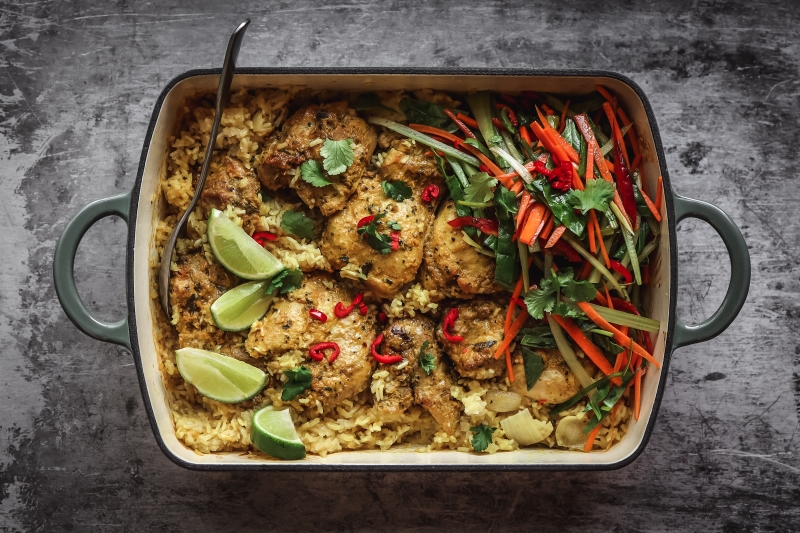
However, if you’re feeling adventurous, opt for a recipe. Lemongrass steals the show in these Vietnamese Bowls – give it a whirl for a delicious take on dinner.
As always, happy cooking.