
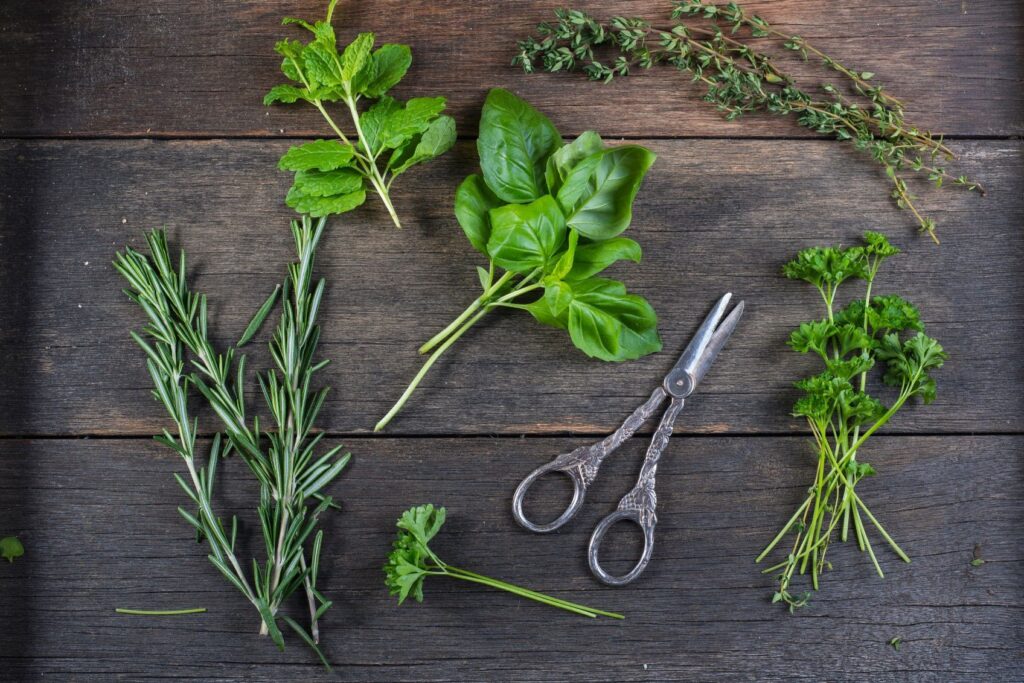
Parsley, Sage, Rosemary &’Thyme
How often do we mix up a dish, only to sample it just before serving and realise it needs that little something extra?
Herbs are that ‘little something extra’ which provide such a major impact, in flavour, colour, and fragrance to almost any dish. Easily grown by housewives worldwide, they thrive in kitchen gardens or on sunny window ledges and can transform any dish from the average to the extraordinary.
Often confused with spices, herbs are the leaves of the plant, whereas spices come from the bark, roots or seeds. With a history of thousands of years, herbs have been used for medicinal purposes since the days of Ancient Greece, and Hippocrates mentions different herbs in his writings, including saffron, thyme, mint, and marjoram. While still frequently used for their curative effects, herbs today are used mostly to enhance our food, bringing out the unique natural taste of ingredients and often adding a regional and cultural note of distinction.
Classic Italian dishes, for example, usually include oregano as part of a zesty tomato sauce. Parsley is regularly added to many Mediterranean dishes, as its mildly bitter flavour brightens and balances savoury ingredients, making it a great complement to more robust and fiery dishes. French cuisine favours a blend of ‘Fines herbes’which includes parsley, chives, chervil, and tarragon, and in other regions, cooks may more typically turn to peppery coriander, refreshing mint, or humble chives.
Not just packing a punch in terms of flavour, herbs can be used in a multitude of ways, and whether you like them fresh or dried, whole or finely chopped, they are that little something extra which transforms an everyday dish to the realms of epicurean gourmet.
__________________________________________________________________
Herbal Hacks
- Combine whole basil leaves with fresh peach or watermelon slices for a light and fresh summer dessert.
- Robust herbs like rosemary and thyme can be added at the beginning of longer, slower dishes such as roast meats and stews for a subtle background taste that is well-infused.
- Gently bruise the leaves before you add them to the dish, to bring out the oils and help the flavours to infuse faster.
- Add stalks of mint or basil to your guests’ water glasses and top with sparkling water for a refreshing thirst quencher.
- Lighter herbs such as parsley and coriander are best added towards the end of the cooking process, as the flavours will quickly fade if added too early, and it will also help retain their colour and the shape.
- Lightly fry sage leaves, and sprinkle with salt for a delicious and crispy topping to vegetables or salads.