Four and twenty blackbirds, baked in a pie’ or so says the old nursery rhyme. Strangely enough, the words of the sixpence song weren’t too far removed from the truth at one time, but luckily, those so-called ‘delicacies’ are only distant cousins to the piping hot ‘mince ‘n’ cheese’ or delicate lemon meringue varieties we enjoy today.
Back to those blackbirds though… It turns out this phenomenon is attributed to the 1600s and strangest food fad ever – pies containing live animals. When the top was cut open, the animals would escape, or ‘birds began to sing’. A very dainty dish indeed!
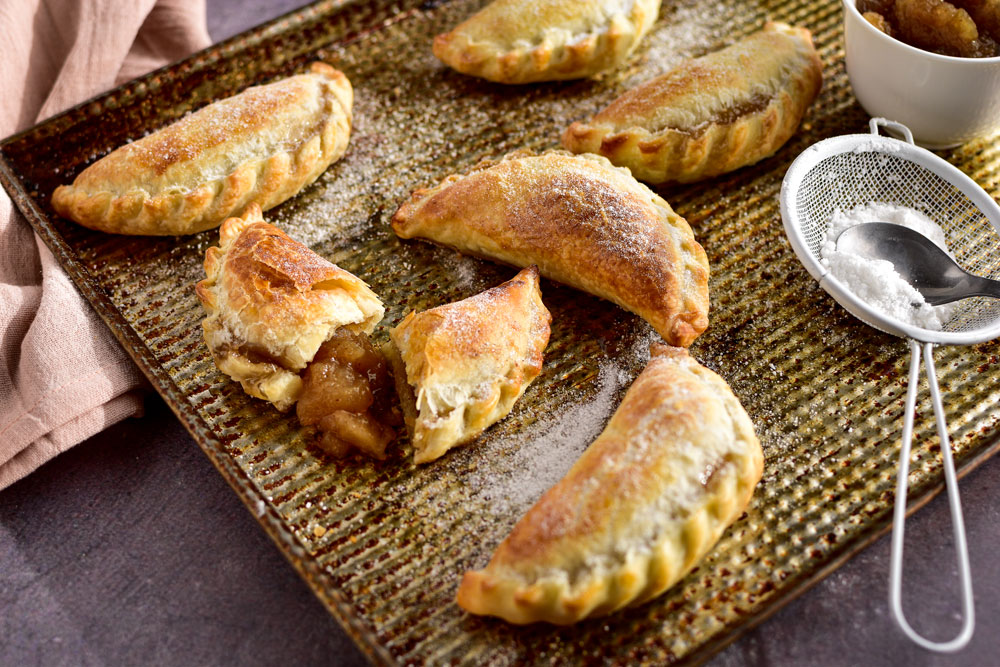
More relatable is the hand-held pastry, filled with meat or vegetables that provided easy lunches to labourers and men in the field. In fact, the distinctive Cornish pasties were originally made with extra-large, flat crimping around the edge which Cornish miners used as a handle to avoid soiling the pie. Ingenious, right!
Miner or not, we can all get to the nitty gritty of these pastry perfections. There are four basic categories: cream, custard, fruit, and savoury. Cream pies like chocolate silk, or Key lime, are filled with a cream mixture that is set onto a pre-cooked shell and usually topped with whipped cream. A custard tart is similar, but typically the filling is baked with the crust. Fruit pies are almost limitless in variety, created by thrifty cooks using whatever fruits are in season, and include favourites like apple pies in America or mince pies (that’s fruit, not ground beef!) in Great Britain. To suit the savoury palate, there are innumerable combinations where the classic New Zealand Mince & Cheese or the British Steak & Kidney both feature.
In the fine art of piemaking, a good crust is everything. Even the most flavoursome and well-balanced filling can become dull in a soggy, crumbly or meagre shell. If you’re aiming for a tender and flaky case, which works perfectly with non-liquid or uncooked fillings (we’re looking at you, banoffee), make sure you use cold (very cold) butter. On the other hand, use a denser dough for hearty meat pies or heavy and/or liquid fillings. Puff pastry, which is light and flaky, is ideal for sweet pies or light, beaten egg concoctions. Shortcrust, on the other hand, has a crumbly texture that does not rise or puff up, providing a suitable option when making the likes of goat’s cheese and beetroot tart.
Once you have chosen your pastry type, a real pie professional must know just how to cook it. Blind baking, or pre-baking a tart crust, is simply baking the shell without the filling. This vital step saves serving up the dreaded pie malfunction with a soggy base. It is a must for cream pies, and delivers the best results across the board, but it can be a little fiddly, so we’ve let you in on our Test Kitchen method.
- Roll the dough slightly larger than you think necessary, to allow for proper crimping.
- Using a rolling pin to transfer the dough, drape it into your pie dish and gently push into the corners.
- Crimp the pastry over the edge of the pie dish.
- Prick the pastry with a fork to prevent bubbles in the surface.
- Line the pastry base with baking paper or foil and fill with pie weights, rice or dried beans.
- Freeze the unbaked crust in the tart pan for about 30 minutes then put into a very hot oven. This means the edges set before the fat in the dough melts and causes the case to shrink.
Thumbing through the pie archives, we stumbled across the quote that sums it all up; ‘Stress cannot exist in the presence of pie.’ That becomes our mantra and method for dealing with the anxieties of life; so, get into the kitchen and start baking! It’s as easy as pie!