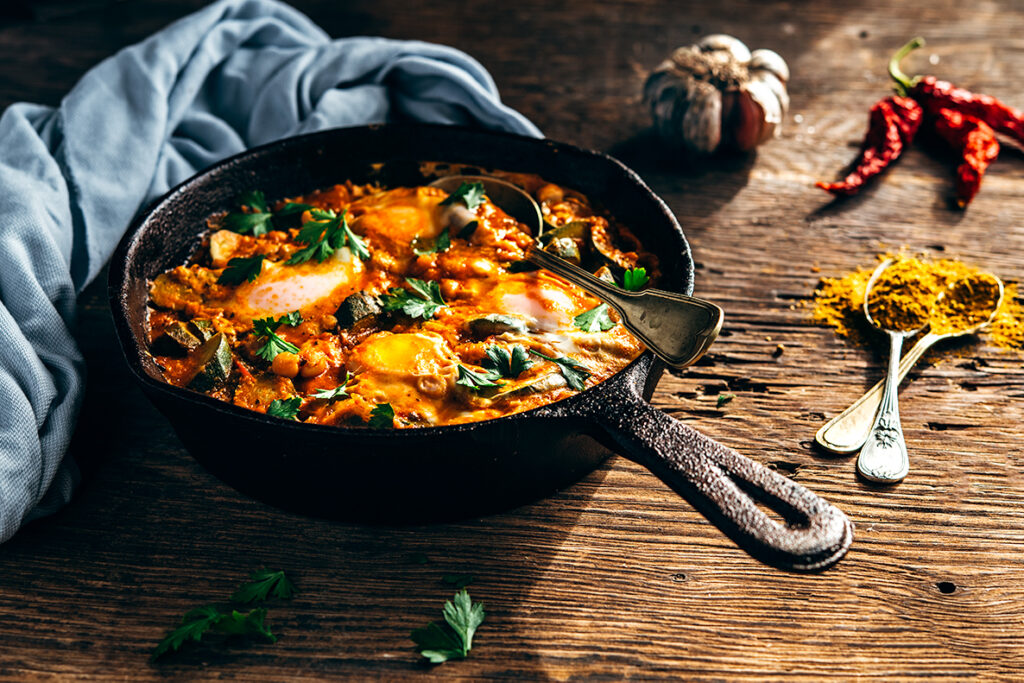
With the hot desert breezes, gleaming white minarets and resounding clamour of the souks, it isn’t hard to believe that the city of Marrakesh is host to amazing flavours and unique dishes. The enchanting Moroccan town known for its ancient, fortified walls, complex heritage and distinctive cuisine remains one of the most mesmerizing food destinations in the world.
Bordering onto the desert, Morocco was once considered the ‘land behind the beyond’ but out of their colourful history has come a vibrant gastronomical scene packed with punchy spices and layers of heady tastes and textures. The city of Marrakesh was founded over one thousand years ago by the indigenous Berbers. It quickly became an essential capital in the Arab world and a crossroads for camel trains, travelling nomads, and curious Europeans. Later the city was overrun by Medes and Persians who contributed an Eastern savour to the local culinary fare.’America also added their influence on the region when in 1777, Morocco was the first country to formally acknowledge the United States as an independent nation. More seasonings were added to the melting pot when the French arrived in the early 1900s, and the effects of their reign are still visible today in many parts of their cuisine.
Moroccan food reflects these intertwined cultures and is renowned for rich flavours and exclusive cooking methods. Meals can often take hours to prepare, and many dishes are cooked slowly over low heat. It is common for families to eat together, seated on the floor and gathered around large communal dishes. Utensils are rarely used, and food is scooped and eaten from the right hand.
We cannot talk about Morocco without mentioning their national dish and what is now a pantry staple in most Western countries, couscous. Although we tip ours out of a packet and enjoy it in minutes, the traditional method involves hand-rolling a dough made of semolina flour and water into tiny balls that are then steamed above cooking vegetables or meats. When making instant couscous, it’s a good idea not to use too much water, and to stir through a drizzle of olive oil after it is cooked to help keep the grains moist and fluffy.
Perhaps the most iconic cooking technique in Marrakesh is using the tagine – a cone-shaped ceramic vessel that sits over a flat dish. Meat and vegetables cook slowly within its confines as the tantalising steam rises through the cone. The slanted sides of the lid return the moisture into the dish below, keeping the food tender and tasty. The diverse flavour profile of Moroccan food is often attributed to ras el hanout, a zesty combination of ground cumin, paprika, coriander, turmeric, allspice, cloves, ginger and cinnamon. It is used liberally in everything from classic’brochettes, the Moroccan version of kebabs, to’kefta‘or meatballs.
A dinner in Marrakesh is more than just satisfying your hunger. It is a captivating experience of exceptional tastes and unforgettable flavour.