
Tablescapes: Secret Garden
1. Define the theme to create the atmosphere: I started with inspiration from a garden I imagined in full bloom mid summer. Dark green foliage, the texture of rich dirt, the weaving and wavy grain of seasoned wood all contrasted against the white of garden roses, and bleaching moss. I used this mental image to create the feeling of a secluded area in the garden, nestled in the vines like it had been there a long time.
2. Starting with a base: I used a tree stump as the base of the table and then laid some large planks of wood across the top to create a small pedestal table. I was originally intending to work with some antique sawhorses for more stability, but the stump worked just as well. Make sure your table is stable and won’t tilt to one side when items are placed on it.
3. Set/Layer the Table: Since I wanted to showcase the texture of the wood against the smooth white plates, I skipped the tablecloth and table runner entirely. I used the juxtaposition of the clean white plate with the mortar-textured terracotta pot to create interest. Instead of using a real plant and risking spreading dirt on the plates, I just filled the pots with bleaching moss for added texture and something a little unexpected. Silverware, not being entirely necessary for the food served, was placed on the side to be used if needed. I placed a coupe glass and a similarly designed whisky-style glass by the plates to elevate the feel and break the heaviness of all the rustic pieces.
4. Linens: Again playing into the texture of the wood table, I kept the linen serviettes a simple and neutral beige. A dark green, blushing pink, mauve, or mustard yellow linen could have been incorporated here as well. Tying the serviette felt just informal enough and added an organic shape to contrast the round plate and the round terracotta pot.
5. Curate your Centrepiece: It’s important to note that your centrepiece doesn’t have to be purely decorational. Neither does it have to be in the centre of the table. Here, I used tall taper candles as decoration and also to create an intimate atmosphere against the dark green and brown surroundings when lit. I used two colours and heights of candles to spread the light as well as draw the eye closer to the middle of the table. The large white garden box was used to carry the items to the location as well as the tin bucket. I used herbs (not locally foraged, although it would have been nice) to bring the leafy greens to the table. Experimenting with herbs in the centrepiece can breathe some life onto the table. These were simply set in a jar of water. In the background, I’ve placed another pot with thyme to tie them together.
I also dug up some leafy green weeds to fill the larger terracotta pots, but an actual growing plant in them would have been ideal.
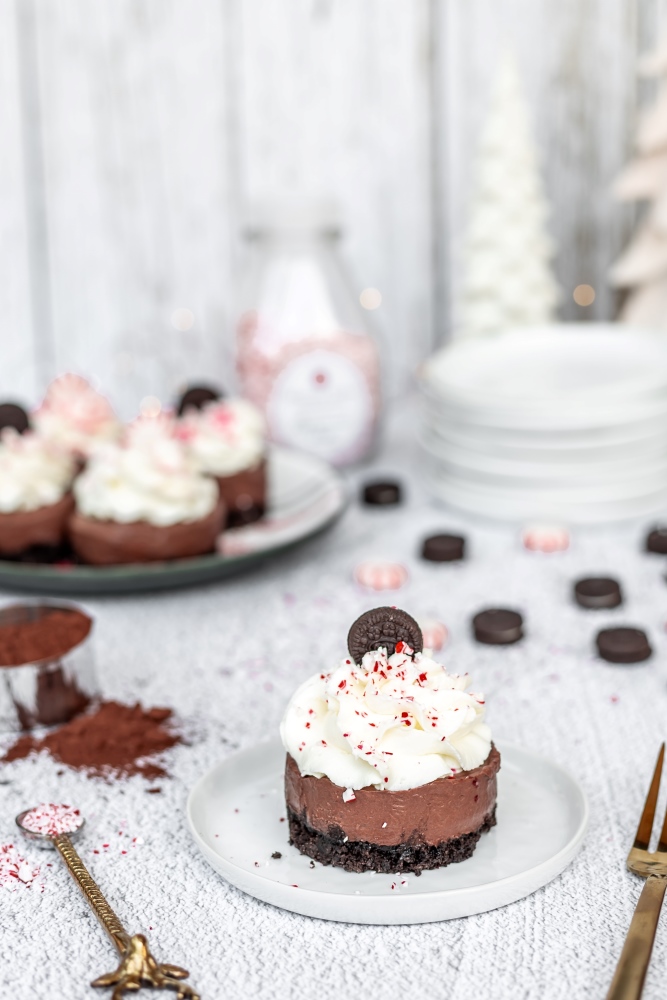
6. Personalize the details: I used small items to add interest and detail to the table but I also didn’t want to overfill it. As it was a small table to begin with, adding lots of decor would have made it very cramped. A small mister and some little yellow Craspedia to add in interesting shape. The glass box filled with moss was just enough charm to serve as a unique serving platter for the cake bites.
Key Tips:
– Juxtaposition – place items with opposite textures right next to each other to create interesting and inviting settings
– Function and form – use the beauty of nature as a centrepiece (herbs that you’ll be using, whole fruits and vegetables, even potted edible plants) to create a unique centrepiece that also serves a purpose.
– Minimise clutter – keep the table free of clutter and full of bounty by filling it with items that will be eaten. Keep the “decorational” pieces to a minimum to keep the table clean. Use simplistic decorations to compliment natural texture and pieces.