
Mention the word “dill”, and chances are pretty good that the first things that come to mind, are pickles! Large, crunchy, green, dill pickles. While dill pickles are delicious, and an appetising inclusion to many meals, don’t be too quick to write off that tasty little number as a single-use garden herb! Despite the no-green-thumb-needed status of dill, it is rarely included in our kitchen gardens. Let’s not confine this dainty herb to pickles alone and dig a little deeper into the secret that is dill weed.
Dill is not an exciting new discovery or even an old favourite that has been rediscovered; it has been a part of the food scene the world over for centuries. References to dill have been found in ancient Egyptian medical text. The Romans considered it a good luck symbol, and for the ancient Greeks it was a mark of wealth. Known to subdue colic and curb hunger, the Quaker settlers in America would give dill seeds to their children to chew, to quiet them during some long and monotonous church services. Who knew?
The amazingly delicate flavour, reminiscent of caraway or fennel, presents an abundance of opportunities to enhance, brighten, or enliven almost any dish.
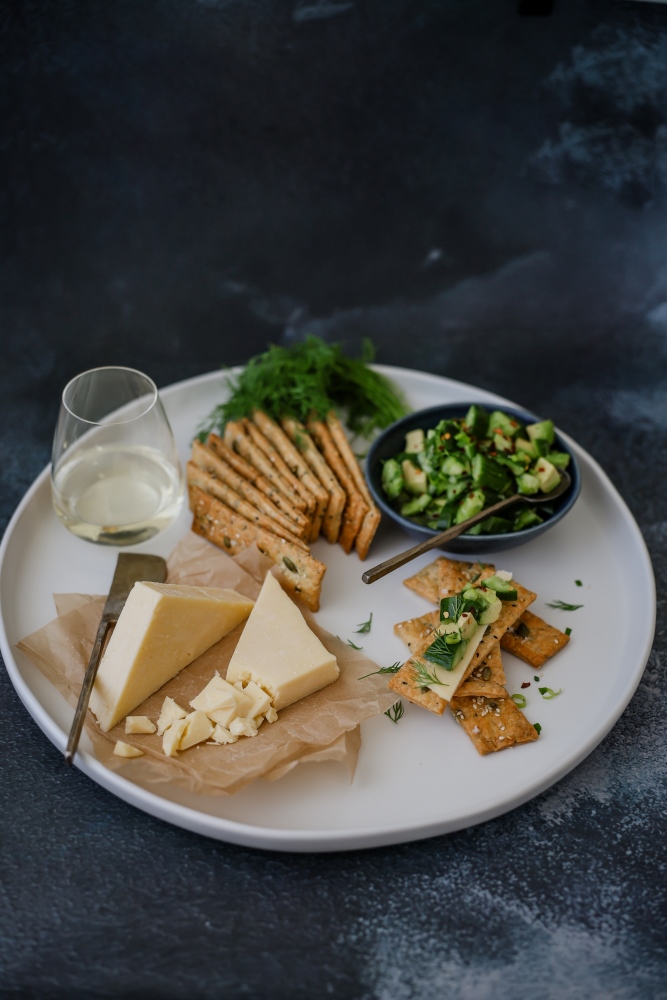
With its feathery, bright green leaves, fragrant dill may be found most commonly in pickling, but do not let that narrow your view. You can count on dill to add an interesting zest, and an appealing garnish to tzatziki and cucumber salads. Bring the fresh taste of summer to any tossed salad, or add as the perfect accompaniment to any egg dish, seafood platter or cream sauce. And it doesn’t need to stop with food. Try infusing your ice cubes with dill fronds and a few mint leaves, for refreshing sparkling water!
To get the best out of your fresh dill, be sure to add it at the end of cooking to preserve its taste and colour. It’s not only the fronds that can be used, the seeds can be ground or added whole during cooking and the heat will bring the flavour out beautifully. Finally, dill is not one to retain its flavour when dried, so fresh is best.
Aside from the culinary advantages of dill, did you know it has many medicinal uses? The word dill comes from the old Norse word dylla, meaning to soothe or lull. Known to help relieve colic and digestive upset, it is one of the secret ingredients in gripe water, familiar to harried young mothers everywhere. Adults too, can benefit from the addition of a touch of dill; it can aid in the regulation of blood sugar, and with its anti-inflammatory properties, it may help improve arthritis pain.
With all these therapeutic and gastronomic uses for dill, it would be a shame not to include it in your kitchen garden, or growing herb selection. Do not be put off by the term “dill weed”! This label, rather than being derogatory, simply means that it is easy to grow, and here’s how…
Dill grows best in full sun. A location protected from high winds, will ensure that the tall foliage is not damaged. It does not transplant well but grows best when planted directly into the garden. By planting a few seeds over a span of several weeks, you can guarantee a steady supply of the freshest cuttings.
Once your dill plants reach a mature size, you will notice other benefits they bring to your garden. They deter spider mites and attract some interesting wildlife! Ladybugs, wasps, and other predatory insects that are attracted to dill, will take care of aphids, mealy worms, and any pests that may be harassing your crops. The tall, fragile dill fronds will also lure a wide array of butterflies.
Originally from the Mediterranean regions, dill is at home in warmer climates. It thrives in a container garden, raised garden bed or larger vegetable plot. Although it is considered an annual plant, if you allow it to flower and then go to seed, those dropped seeds can encourage an early crop in the next growing season.
Easy-to-grow plant, attractive garnish, flavoursome ingredient, reassuring remedy: so much more than simply pickles. That’s the thrill. . .of dill!